PFAS in Surface Water and Foam on Nantucket
Project Brief
The Challenge
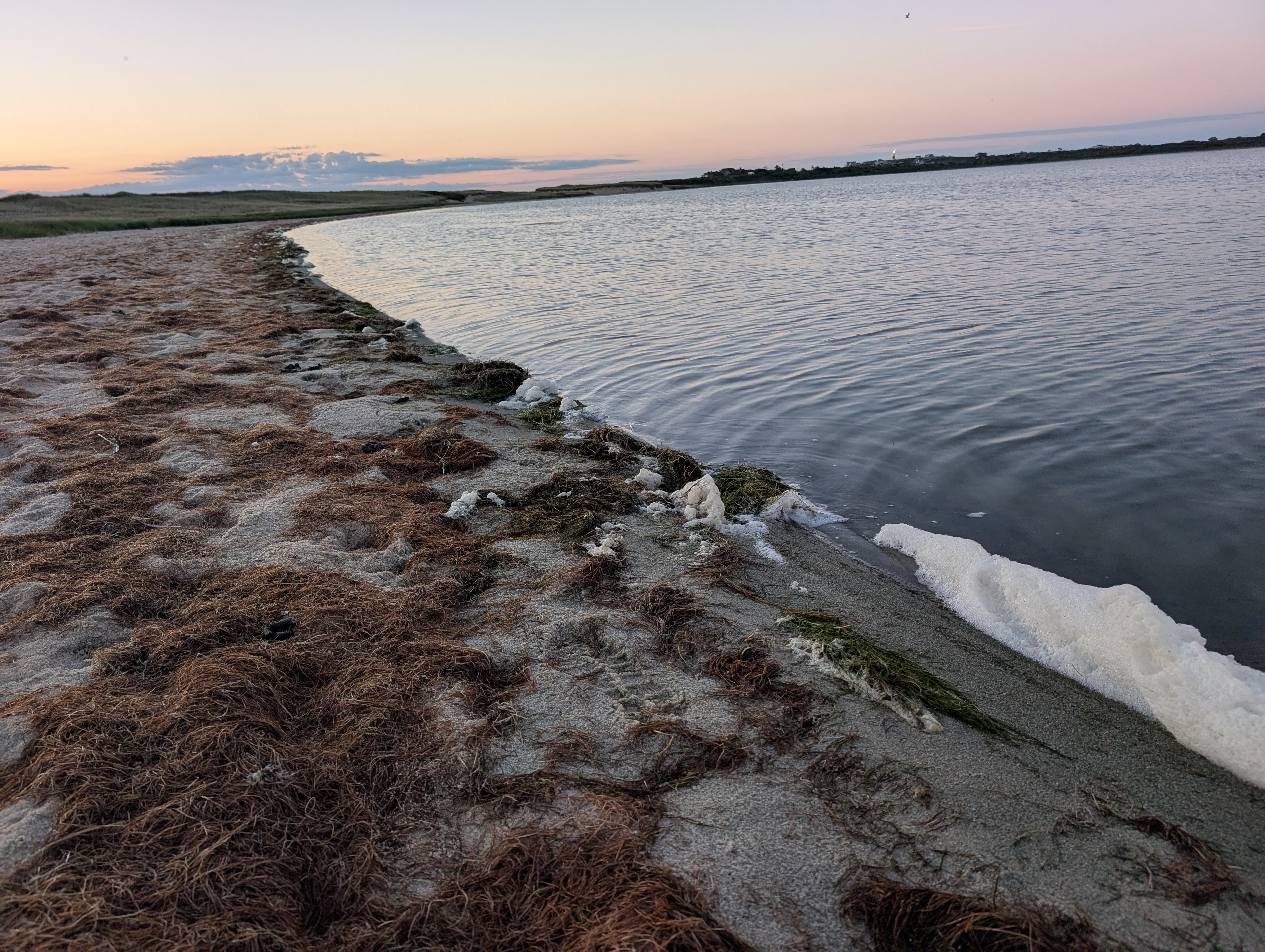
Per- and polyfluoroalkyl substances (PFAS) are synthetic chemicals used in many consumer and industrial products. They are highly persistent in the environment, accumulate in people, and are associated with adverse health outcomes. The Town of Nantucket has found PFAS at concerning concentrations in water at several locations across the island. To better understand the scope of PFAS contamination and protect islanders and visitors against harm from PFAS, Nantucket sought to investigate PFAS in recreational surface water and surface water foam across the island. Nantucket engaged ERG to develop and implement a sampling program, interpret the results, and support public communication of PFAS-related risks.
ERG's Solution
ERG began this work by designing a sampling program tailored to Nantucket’s objectives of assessing PFAS in surface water and surface water foam. Because this was a relatively novel area of PFAS research, we first researched sea foam sample collection and laboratory analysis methods and then prepared and executed the sampling and analysis plan. During summer 2025, we collected two rounds of samples, which we sent to an accredited laboratory for analysis. To place the measured concentrations in context, we reviewed scientific literature on PFAS in ocean waters and in surface water foam. We also reviewed health-based screening values used to interpret these PFAS measurements. We then prepared a comprehensive summary report of the project findings. Based on the high PFAS concentrations we reported for the island’s surface water foam, Nantucket issued a public health advisory to avoid contact with surface water foam. To enhance awareness, we developed public presentations explaining what PFAS are, how people may be exposed, and how exposure may impact health. We also created several fact sheets on PFAS, including on water filtration for PFAS and reducing PFAS exposures.
Client
Town of Nantucket