Biomonitoring
For over 25 years, ERG has helped government agencies plan and implement biomonitoring programs across the nation to measure biomarkers of exposure in blood, urine, and other human tissue. These measurements help public health officials better understand the extent of individual and community exposures to chemicals in the local environment and guide their public health decisions. Results of ERG’s biomonitoring work have helped our clients learn whether community exposure levels are higher than expected or above health-based thresholds; what exposure reduction interventions or further study may be needed; and whether additional testing or clinical monitoring would be helpful. ERG biomonitoring experts (who are all certified in ethical human subject research and protecting participant rights and privacy) have supported large-scale exposure assessments, health studies, and surveillance programs, including assessments of emerging contaminants (e.g., PFAS) and legacy chemicals (e.g., metals, PCBs). Our team offers a comprehensive suite of services, including goal setting; protocol development; community engagement and recruitment; data collection and analysis; and communicating results back to the community. Whatever the project’s scope, scale, or location, we handle all scientific and logistical details to ensure our client’s program objectives are met.
Protocol Development
- Study design
- Human subjects research and privacy provisions
- Institutional Review Board (IRB) support
- Standard operating procedures
- Health and safety plans
- Data analysis plans
Community Engagement and Recruitment
- Community advisory boards
- Community-specific outreach plans
- Culturally and linguistically appropriate outreach and educational materials
- Information hotline support
- Recruiting, enrolling, and consenting participants
- Appointment scheduling and tracking
- Promoting programs in social media
- Public meetings, public availability sessions
Data Collection and Analysis
- Securing venues and supplies
- Designing and developing questionnaires and secure project databases (e.g., REDCap)
- Securing phlebotomy services
- Collecting, processing, shipping, and tracking specimens
- Coordinating sample analysis
- Robust statistical and trend analysis
Report Back and Communications
- Secure, confidential results report back
- Integrating trusted reference values
- Data interpretation and visualization
- Exposure reduction guidelines
Projects
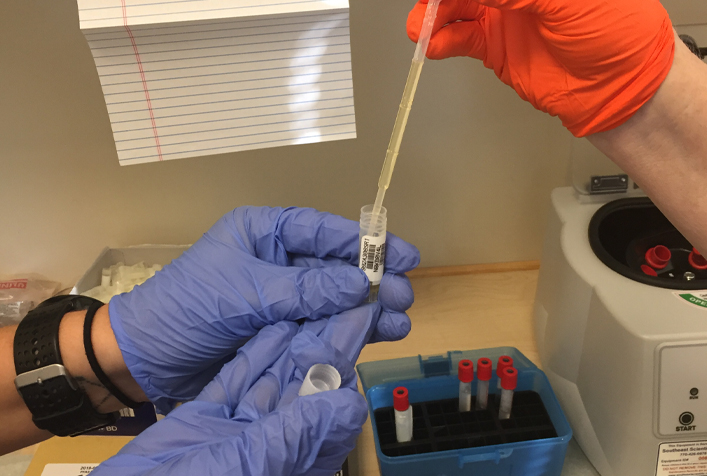
Nationwide PFAS Exposure Assessment
Agency for Toxic Substances and Disease Registry
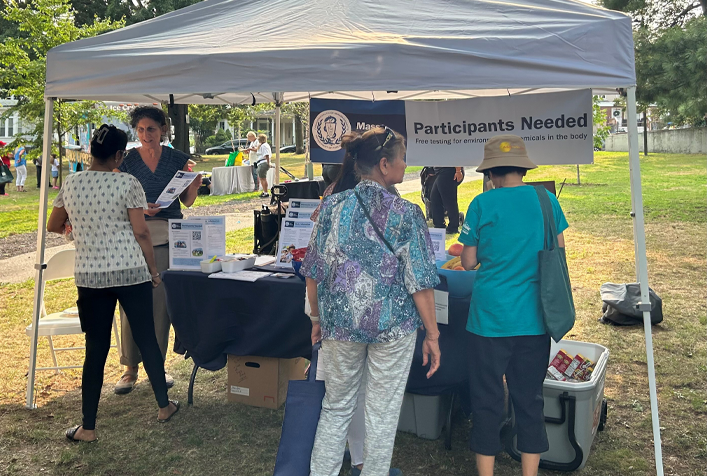
Massachusetts Biomonitoring (“Mass Measures”)
Massachusetts Department of Public Health

Best Practices for PFAS Biomonitoring in Firefighters
Minnesota Department of Health
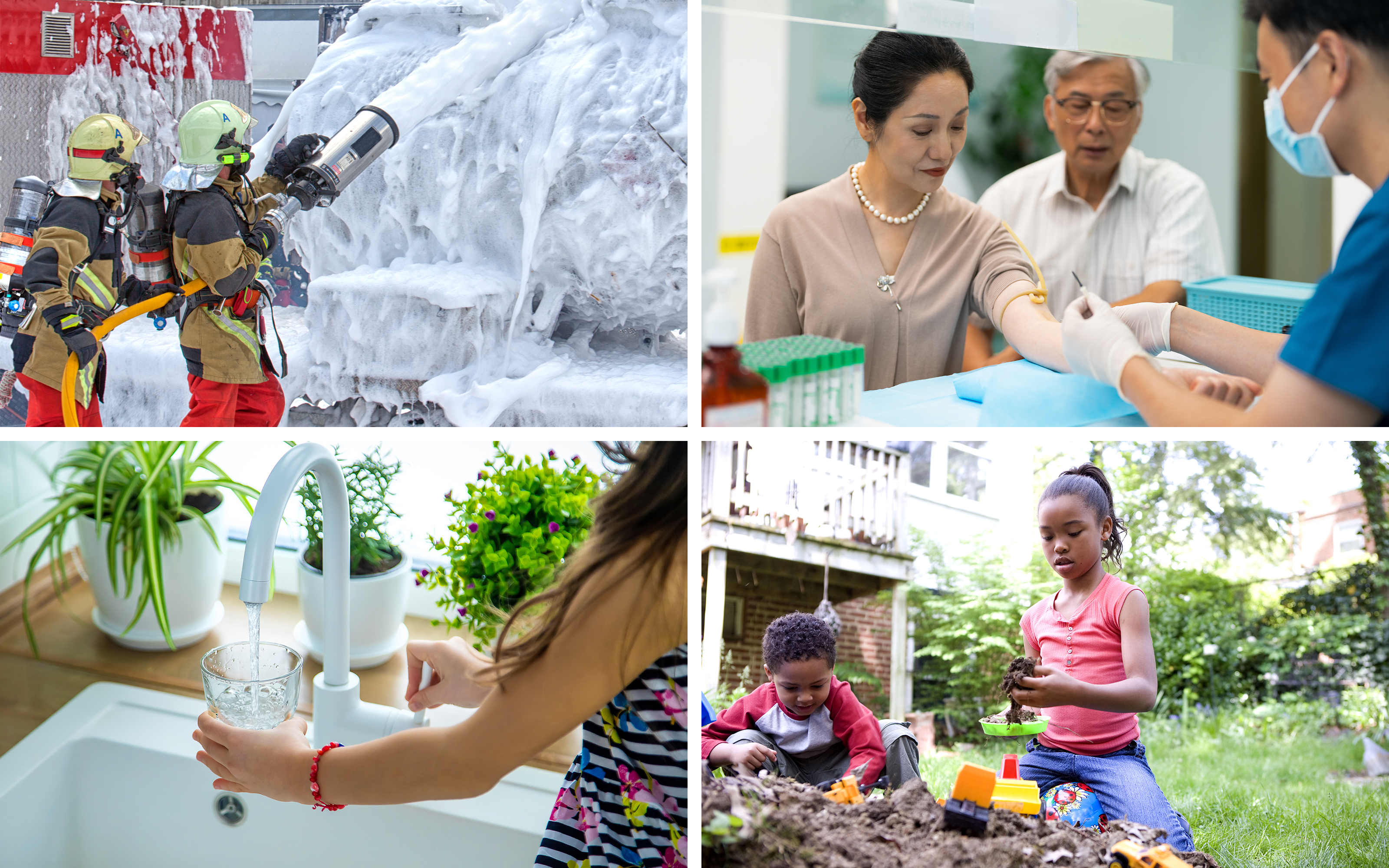
Delaware PFAS Exposure Assessment and Health Impact Research
Delaware Department of Health and Social Services

PFAS Multi-Site Health Study
Silent Spring Institute
New Mexico PFAS Blood Testing
New Mexico Environment Department

ATSDR Biomonitoring Outreach and Recruiting
Agency for Toxic Substances and Disease Registry
Service Area Leads

Good science should lead to real-world solutions that protect people’s health—especially in communities facing the greatest risks.

I’ve always been an environmental health advocate, but this work became deeply personal when I learned that my local drinking water supply was contaminated with PFAS. Now my family and I, like many others, have questions about how environmental exposures might harm our health. That experience has strengthened my commitment to delivering rigorous, trusted science to help communities and decision-makers answer those questions.

I am passionate about doing all we can to protect people’s health and well-being and the environment in which we live. I have devoted my career to addressing health risks encountered in our communities and workplaces. I strive to solve problems using common sense and sound science.

Clean air, safe workplaces, a stable environment for generations to follow—these are just some of the ideals that motivate my daily work. I strive to bring the best available science to our nation’s current and emerging environmental health and occupational safety issues.